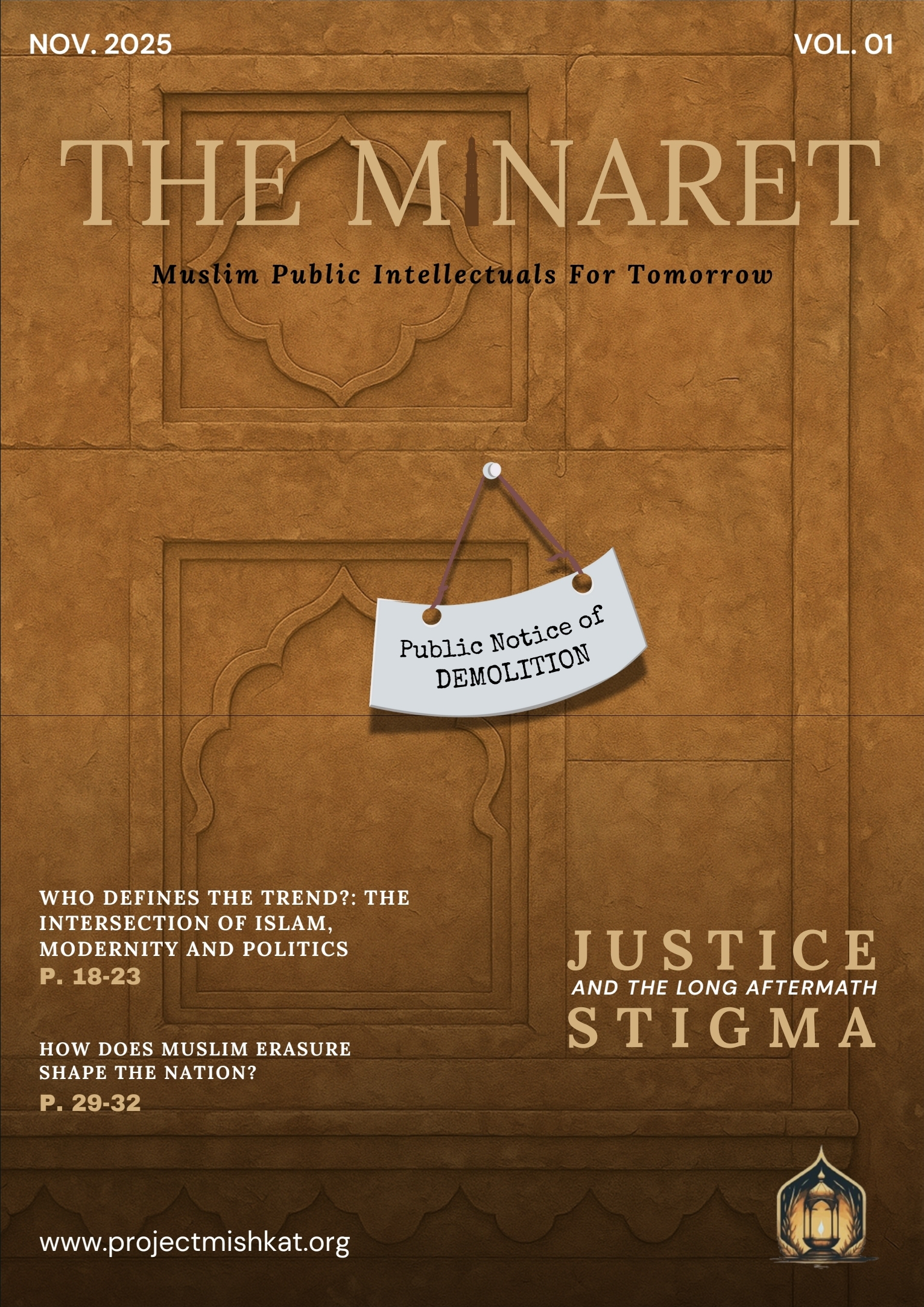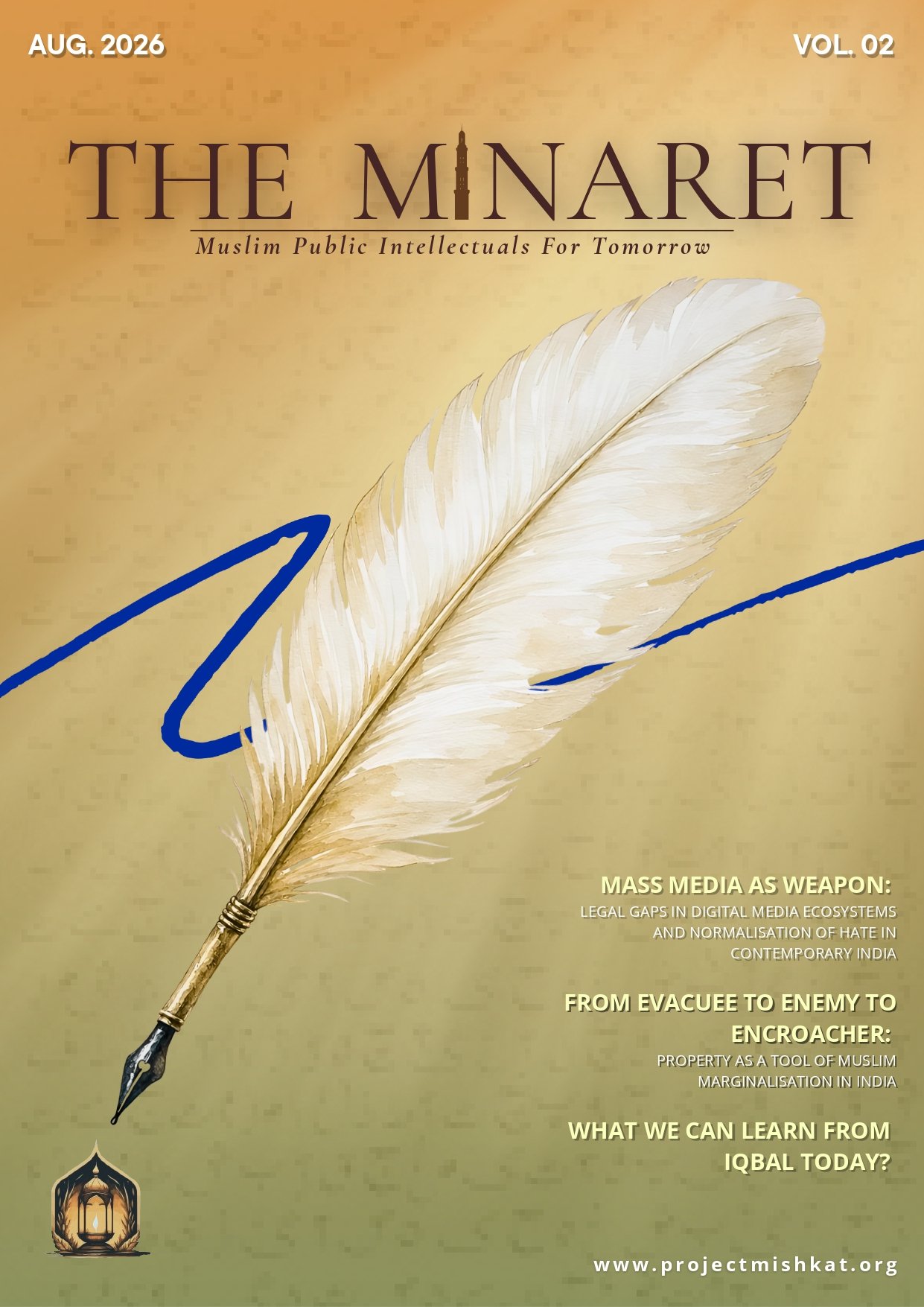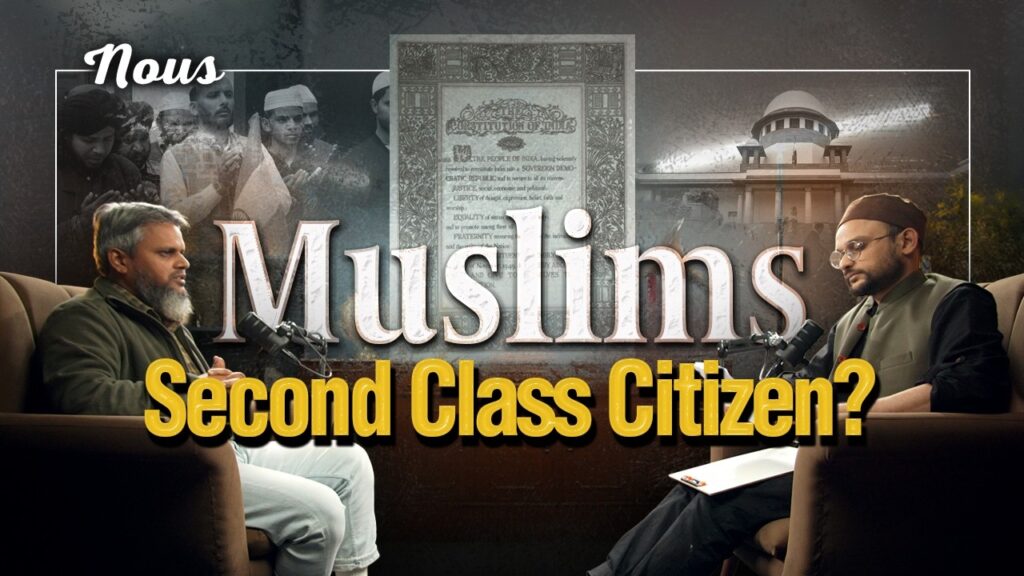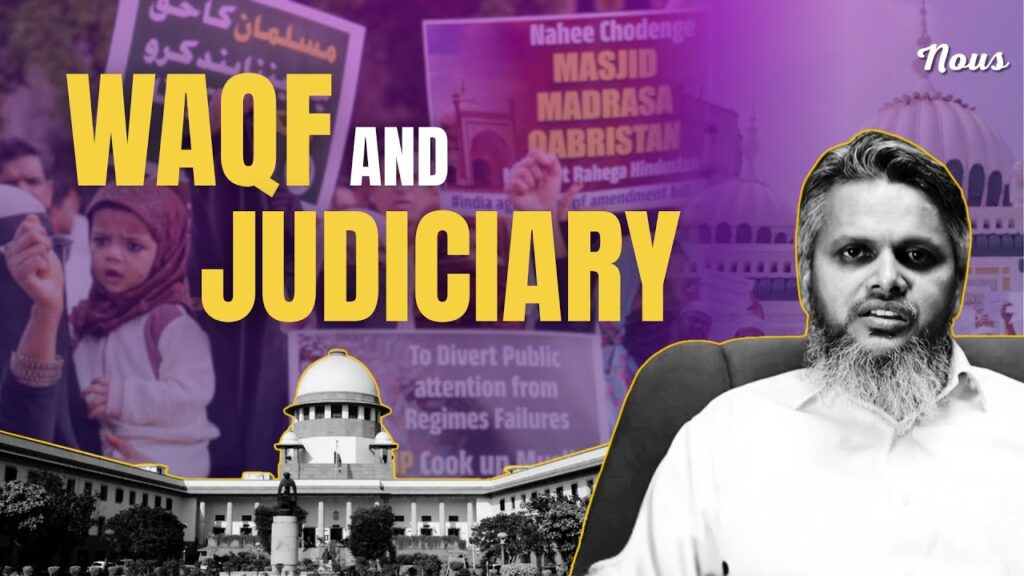


Featured articles
EDITORIAL NOTE
Summary The Mishkat Blog is a new student-run initiative by Project Mishkat, created to promote discourse on Muslim identity in India. It aims to foster “Muslim Public Intellectualism for the Commoners” by welcoming articles on a wide range of subjects, not limited to religious or
Blogs
Explore articles
When Refuge Becomes a Matter of Faith: Is India’s Taliban Diplomacy a Mirror of Hindutva Politics?
Summary This article argues that India’s diplomatic engagement with the Taliban regarding minority protection exposes a deep contradiction when contrasted with its domestic treatment of Muslims, particularly under the CAA and NRC frameworks. It critiques
Conversion without Liberation: The Constitutional Case for Dalit Muslims
Summary The article argues that the 1950 Presidential Order, which restricts Scheduled Caste (SC) status and related reservations to Hindu, Sikh, and Buddhist converts, is unconstitutional. It highlights that Dalit Muslims and Christians face caste-based
From Rule to Exception: UAPA and the Death of Bail Jurisprudence
Summary The article argues that Section 43D(5) of the UAPA has eroded India’s foundational “bail is the rule” principle. Using the Delhi High Court’s denial of bail to Sharjeel Imam and others in the 2020
Beyond Synthesis: A Review of Epsita Haldar’s ‘Reclaiming Karbala’
Summary In Reclaiming Karbala, Epsita Haldar challenges traditional views on religious modernization and cultural formation among Bengali Muslims. She argues that they developed a unique form of modernity by embracing “productive ambivalence,” navigating cultural and
Unveiling legal coercion : Imposing uniformity without a uniform civil code
Summary The article discusses the challenge of marriage registration for minority communities, particularly Muslims, in Delhi due to administrative gaps in the legal system. It highlights how the absence of a simple registration process under
Decriminalizing Faith: Muslim Identity and the Weaponization of Law in India
Summary In India, Muslim identity faces increasing legal scrutiny, as laws like the UAPA and Waqf amendments are perceived as tools for exclusion rather than minority protection. This has led to widespread discrimination, affecting religious